Best Electric Bikes Capable of 50 Km/H and Beyond
Electric bikes that push toward 50 km/h (about 31 mph) blend high power with practical everyday usability. This guide highlights five high-performance models designed for speed, range, and versatility. Each product features robust motors, substantial batteries, and durable builds to handle city commutes, hills, and weekend adventures alike.
Summary of Selected Products
| Product | Brand | Top Speed | Battery | Estimated Range |
|---|---|---|---|---|
| Ekellaka 8000W Dual Motor E-Bike | Ekellaka | 48 MPH (≈77 km/h) peak | 52V 36Ah removable | Up to 100 miles with pedal assist |
| EcoE 6000W Dual Motor E-Bike | EcoE | 52 MPH (≈84 km/h) | 60V 32Ah | Up to 100 miles with assist |
| FENGQS 6000W Dual Motor E-Bike | FENGQS | 40-45 MPH (≈64-72 km/h) | 60V 1200Wh | 40–100 miles depending on mode |
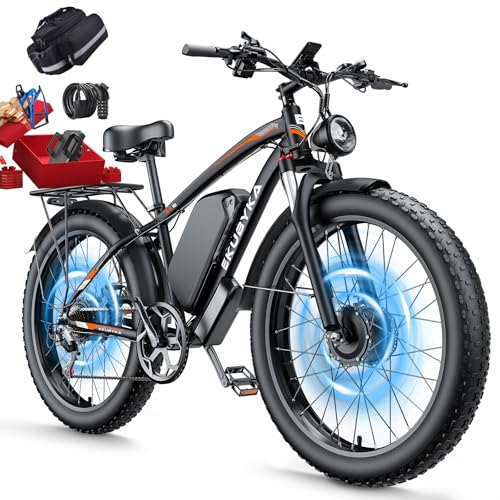
| Ekubyka 6000W Dual Motor E-Bike | Ekubyka | 48 MPH (≈77 km/h) | 52V 36Ah removable | Up to 100 miles |
| GENBAIKO 5000W Dual Motors E-Bike | GENBAIKO | 50+ MPH (≈80+ km/h) | 52V 32Ah removable | 70–130 miles with PAS |
Ekellaka 8000W Dual Motor E-Bike
The Ekellaka model combines dual 4000W peak motors with a 52V 36Ah removable battery to deliver up to 100 miles with pedal assist. It supports a high-torque climb up to 40° and offers a switchable single/dual-drive configuration for efficiency or speed. The bike is built for heavy riders, with a reinforced aluminum frame and hydraulic brakes for confident stopping power. A long-range design makes it suitable for commutes and weekend off-road trips.
EcoE 6000W Dual Motor E-Bike

The EcoE bike pairs two 3000W motors for a combined 6000W capability, reaching top speeds near 52 mph. It uses a 60V 32Ah battery and fat tires for stability on varied terrains. The model comes with a SHM 7-speed gear system and a full suspension setup. Included accessories like a bump-resistant cargo rack and mounting options support longer rides and practical hauling. A cautionary note suggests handling LCD settings with care due to different configurations across models.
FENGQS 6000W Dual Motor E-Bike

The FENGQS model uses two 6000W motors to achieve top speeds around 40-45 mph. It runs on a 60V 1200Wh battery, enabling a flexible range from 40 to 100 miles depending on riding conditions. Features include dual hydraulic brakes, a full-suspension system, and integrated braking/turn signals for urban riding. The design emphasizes performance plus rider safety on fast, dynamic routes.
EDIKANI 51 MPH Dual Motor E-Bike

The EDIKANI bike delivers a peak 5000W dual-motor setup with a top speed around 51 mph and a 52V 32Ah battery. It features a hydraulic disc brake system for reliable stopping power and robust build quality for city commuting and mixed terrain. The bike supports up to 130 miles in certain riding modes, depending on usage, with a focus on performance and endurance for longer trips.
Ekubyka 6000W Dual Motor E-Bike

The Ekubyka model features a selectable dual-drive system with 6000W peak, enabling quick transitions from single-motor efficiency to full-power dual-drive. The 52V 36Ah removable battery promises up to 100 miles of range, and 26″ fat tires plus a hydraulic suspension fork deliver comfort on rough terrain. A lockout feature and sturdy frame support confident handling at high speeds and long-distance rides.
GENBAIKO 5000W Dual Motor E-Bike
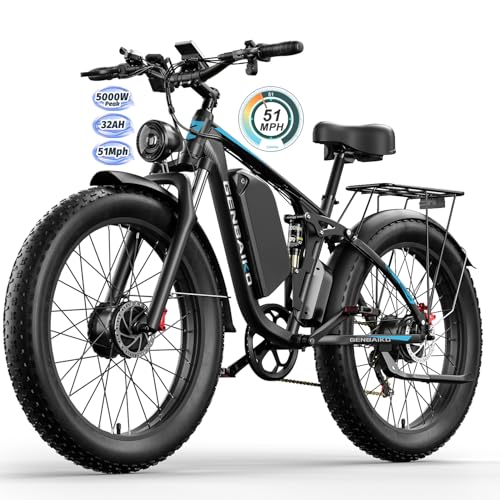
The GENBAIKO bike combines two 2500W-peak motors for a total of 5000W, capable of speeds around 50 mph. A 52V 32Ah battery and full suspension with hydraulic brakes support confident riding across urban streets and trails. The design prioritizes high-speed performance with substantial range, allowing for long commutes or weekend explorations on varied surfaces.
Buying Guide: Key Purchase Considerations And Comparisons
Speed is a major factor, but riders should also weigh range, battery design, weight capacity, ride quality, and maintenance needs. Here are essential considerations to help decide which fast e-bike best fits your goals.
- Power and speed balance: models with dual motors provide higher peak speeds and better hill climbing but may consume more energy. If you primarily ride urban streets with occasional long trips, a dual-motor setup with a reliable battery is advantageous.
- Battery capacity and removable design: larger batteries extend range but add weight. Removability is convenient for charging indoors, but ensure the locking and BMS protection meet your security and durability needs.
- Range under real-world conditions: advertised ranges are often under ideal conditions. Consider terrain, rider weight, wind, and assist level to estimate practical distance.
- Suspension and tires: full or front suspension and fat tires improve comfort on rough surfaces, corners, and off-road sections. Frame strength and load capacity matter for heavier riders or cargo.
- Brakes and safety features: hydraulic discs and integrated signaling systems enhance control and visibility. Check brake modulation, rotor sizes, and rotor materials for consistent performance.
- Maintenance and serviceability: high-performance e-bikes require periodic maintenance. Availability of parts, local service networks, and user-friendly diagnostics influence long-term value.
- Regulatory considerations: some regions limit motor power or speed on public roads. Verify local classifications (Class 2 or Class 3) and ensure compliance with traffic laws.
- Size and fit: wheel size, standover height, and cockpit ergonomics affect comfort. Test-ride if possible, or consult sizing guides for optimal reach and weight distribution.
- Accessories and add-ons: cargo racks, fenders, lighting, and phone holders can extend practicality for commuting and trips. Ensure compatibility with the model’s mounting points.
In summary, high-speed e-bikes around 50 km/h emphasize motor power, battery capacity, and chassis durability. When evaluating options, compare real-world range projections, braking efficiency, and rider comfort to select a model that aligns with your typical riding terrain and daily needs.