Best Intake Solutions for LS1 Engines: Top Manifolds for Power and Reliability
Choosing the right intake manifold for an LS1 builds power, throttle response, and overall driveability. This guide highlights five popular LS1-compatible manifolds, covering bolt-in upgrades, cathedral-port compatibility, and both single and dual-plane designs. Each option is evaluated on airflow potential, materials, and install practicality to help you select a model that fits your goals, whether you’re chasing high-RPM power or better low-end torque for street driving.
| Product | Brand | Type | |
|---|---|---|---|
| FAST LSXr 102mm Intake Manifold | FAST | 102mm Cathedral/LS1 compatible | Longer runners, larger air inlet, removable runner design |
| DEEPMOTOR LS1/LS2/LS6 102mm Casting Bolted Manifold | DEEPMOTOR | 102mm casting, includes fuel rail | Bolt-In runners and plenum, accepts up to 102mm TB |
| JEGS Fabricated Intake Manifold | JEGS | Black aluminum, cathedral port | Accepts 92mm/102mm TB, fuel rail kit included |
| POSENG 92mm LS Cathedral Port Intake Manifold | POSENG | Cathedral port, 92mm | High-strength 3mm aluminum, TIG welded |
| YESHMA 92mm LS Intake Manifold | YESHMA | 92mm, cathedral port | 3mm aluminum, TIG welded, throttle response |
Below are five LS1-focused manifolds selected for different goals, from maximizing top-end horsepower to improving mid-range torque. Each section includes installation considerations, fit profile, and practical performance notes to help tailor your build.
FAST LSXr 102mm Intake Manifold
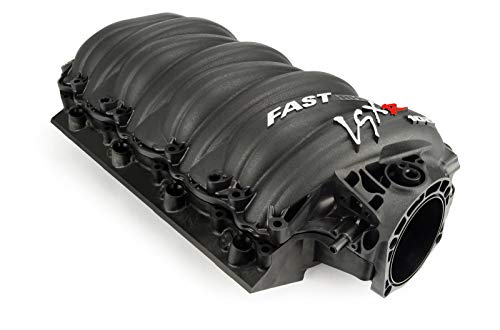
FAST’s LSXr 102mm intake is designed to increase airflow with longer runners and a larger air inlet, enhancing peak horsepower while preserving low-RPM torque. The black finish adds a clean, race-ready look under the hood. A modular, removable runner design simplifies porting and disassembly, making future tuning or port matching straightforward for enthusiasts who modify LS engines.
DEEPMOTOR 102mm Casting Bolted Manifold

DEEPMOTOR’s 102mm casting bolted intake includes fuel rails and is designed for LS1, LS2, and LS6 builds. It accepts up to a 102mm throttle body and features bolt-in cast aluminum runners and plenum for a solid, robust upgrade. The included fuel rails help simplify installation, reducing the need for additional ancillary parts during a performance build.
JEGS Fabricated Intake Manifold

JEGS offers a black aluminum fabricated intake compatible with GM LS1/LS2/LS6 engines and cathedral ports. It accepts 92mm or 102mm throttle bodies and includes a fuel rail kit, intake seals, hardware, a LS3-style MAP port, and vacuum port fittings. This solution is versatile for those seeking a ready-to-install upgrade with comprehensive hardware included.
JGhyperX 28097 Super Victor LS1 Manifold

JGhyperX presents a single-plane manifold tailored for LS1/LS2 with cathedral port compatibility. This aluminum manifold targets high-RPM performance, suitable for carbureted LS builds and racers. It is designed for a broad RPM range and includes compatibility notes for 3- and 4-barrel configurations, with emphasis on rigidity and effective throttle response under boost.
POSENG 92mm Cathedral Port LS Intake

POSENG’s 92mm LS cathedral port intake is engineered for LS-based engines with cathedral heads. It features high-strength 3mm aluminum construction with TIG welding for rigidity and stability under boost. The manifold supports a broad range of generations and Corvette-era platforms, making it a practical option for street and strip LS builds seeking improved airflow without excessive complexity.
YESHMA 92mm LS Intake Manifold

YESHMA’s 92mm cathedral-port manifold emphasizes throttle response and stability with a 3mm aluminum sheet and TIG-welded construction. The kit targets LS1/LS2/LS6 configurations and is designed to maintain rigidity under boost while offering broad compatibility with common LS platforms, making it a solid balance of performance and installability for many street and light race applications.
Buying Guide: Key Considerations For Selecting An LS1 Intake
When choosing an LS1 intake manifold, consider your build goals, engine combination, and horsepower targets. Here are essential factors to weigh:
- Airflow vs. Torque: Single-plane designs typically boost high-RPM horsepower, while dual-plane or cathedral-port manifolds improve mid-range torque and street drivability. Your usage (drag, road racing, daily driving) will guide the choice.
- Port Compatibility: Ensure the manifold matches your cylinder heads (cathedral port vs. cathedral-style ports) and throttle body size (92mm vs. 102mm) to avoid bottlenecks.
- Material and Build Quality: Aluminum manifolds with TIG-welded joints offer rigidity and heat resistance. Check for lightweight design vs. durability depending on your application.
- Included Hardware: Some manifolds ship with fuel rails, seals, and hardware. If not included, factor in additional components required for installation.
- Ease of Porting: If you plan to port-match for maximum flow, consider modular runner designs or manifolds with accessible runner joints for future tuning.
- Fitment For Forced Induction: If boosting, choose manifolds rated for high boost levels and compatible with larger throttle bodies for adequate air distribution.
Installation considerations include matching to your exhaust, ensuring compatible intake ports on the LS cylinder head, verifying clearance for the fuel rails and vacuum lines, and confirming compatibility with your ECU calibration. For street cars, prioritize throttle response, steady idle, and reliable driveability. For race apps, focus on top-end flow and durable construction under sustained high RPMs. Always consult specific product fitment guides and, if possible, a professional installer to ensure correct porting and sealing.